Level and World Design as a GM
I’ve been my DnD group’s game master for a few years now, and it’s been refreshing to practice skills in game design, world building, and improv while I spend time with several friends who build their own unique characters that have to fit into the world we create together. Sometimes it leads to a brilliant comedy of errors, and other times it leads to heartfelt moments, but every time I sit down to play, it helps me refine tools and techniques to use as a game designer.
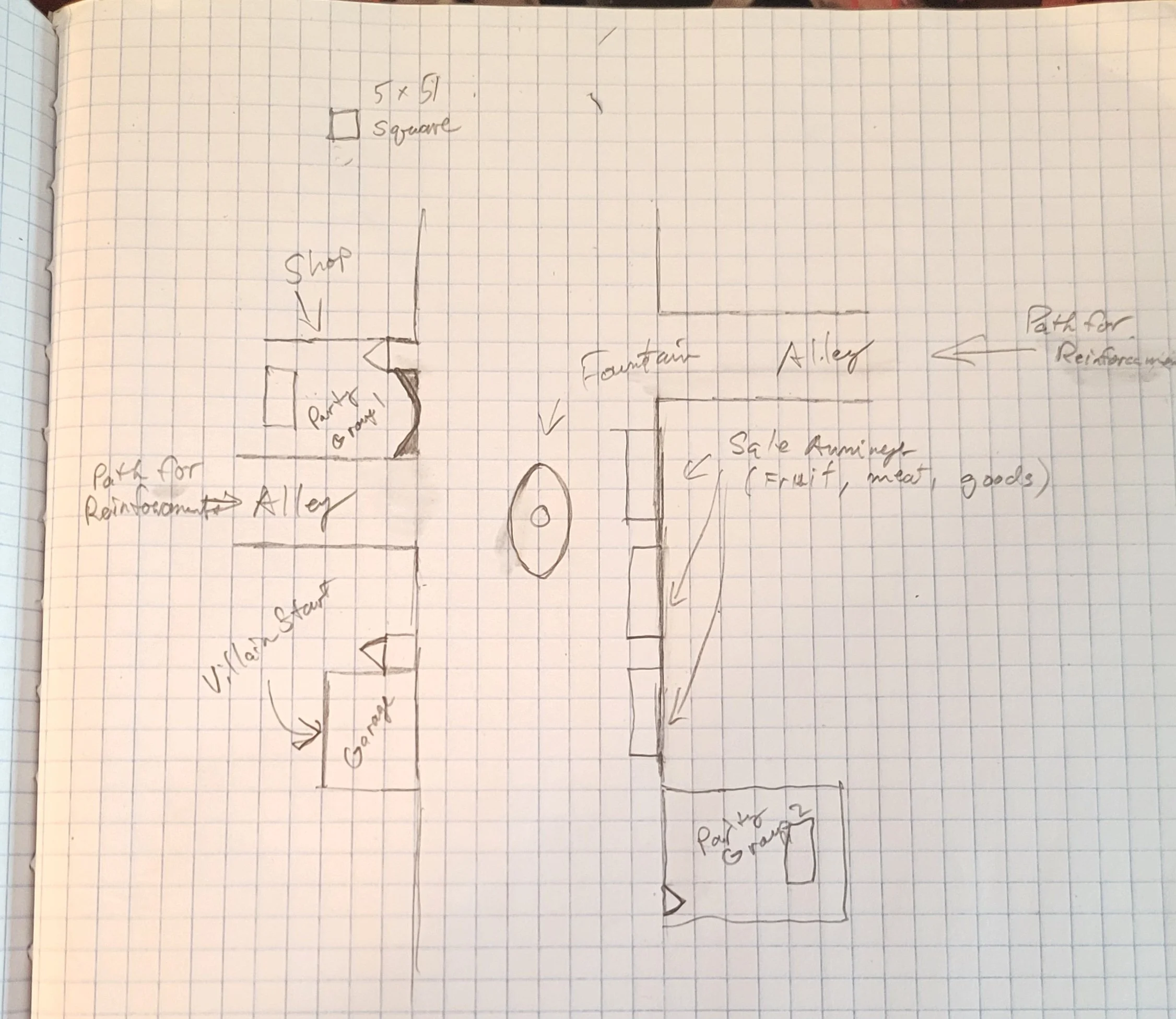
When building a combat space, I usually start with a layout in my notebook. The notebook will usually have the basic structure of the playspace, along with notation for what each part of the structure is for as a part of the world. “Is this blocking element a fountain or statue? Is this open area an alleyway with garbage bins or a liminal space with many “doors to elsewhere?””
While generic combat arenas are absolutely an option, most places that players enter into combat will have concrete details that allow me to fill out the space with information on the world they inhabit, or quietly nudge players toward creative solutions that I had in mind to make the world a little more interactive, or even engage with the setting on their own terms and insert their own creativity in a way that I get to enjoy and develop further with improv and later followups.
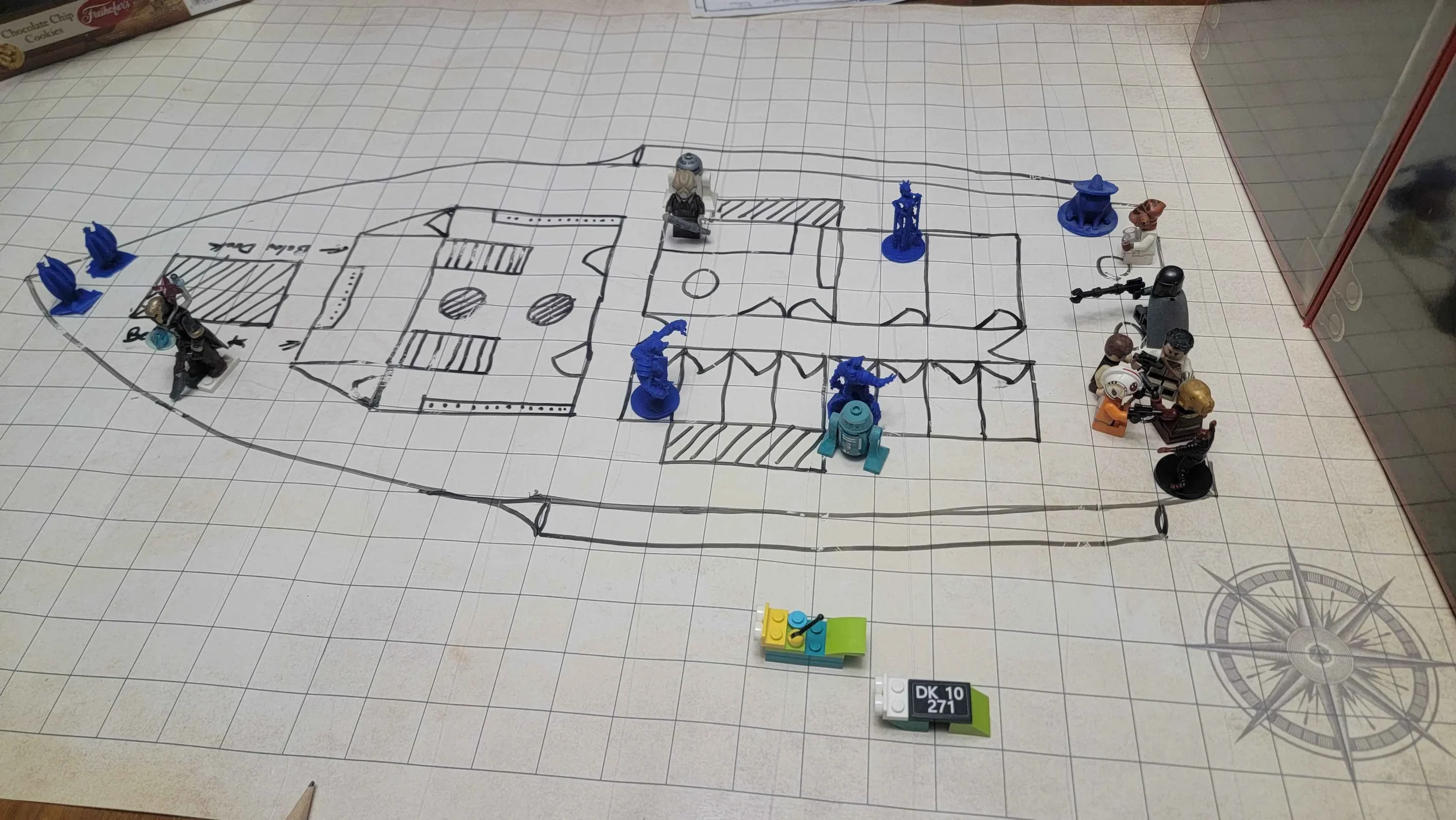
Once the layout is determined and translated to the battlemap, I then plan and place the cadre of NPCs the players will have to engage with, from enemies, secret allies, to neutral figures. Enemy NPC construction is always fascinating as a corollary to the level design, as I get to ask myself questions like, “What is this character going to have as a member of a Devilish gang?” or, “What would be a very effective tool for an anti-magic capture team?” and, “How would these NPCs coordinate their movements to display their characterization?”
Similar to character animations in a video game, or the flavor that embodies a character’s description, an NPC’s loadout and behaviors in combat can offer quite a bit to the players regarding their characterization: what kind of person they are, what training they’ve had (or lack), and what they intend to do after combat is over. “Secret Allies” can be an equally fun to design and play with as a GM, since often times the players (and on occasion I myself) will underestimate the ability for an NPC to contribute to their side in a battle.
All of this work intersects with and contributes to the world that the players are taking their journey through.
The picture above (the layout of a boat) reflects the choices the players made to take a boat upriver, rather than journey by horseback or dirigible, and the players performed exceptionally well in this combat, meaning that they saved the boat and didn’t have to evacuate to the banks, where they could have ended up on the wrong side of the river. Much of what happens is planned in some capacity, but the details make for unusual twists and turns as the players engage with different components and make their choices.
Being a GM for highly creative players is exciting every time I sit down at the table, and I hope to continue for many more years building worlds and stories for them to enjoy.

New Driver Challenges and other Seasonal Content (Rocket League)
Here’s some of my current work with Psyonix for Rocket League!
Working on Psyonix’s Rocket League has been an absolute blast!
I’ve handled Rocket Passes, technical level design, game modes, limited-time-events, and gameplay tuning. Each release contains something I’ve worked on, from the game feel of several of the newly released cars, to the Re-Fueled Event that
I was the key designer behind Summer Road Trip 2025, which gave players the opportunity to earn the Corvette ZR1 in both Rocket League AND Fortnite, and it saw very high engagement as well. I’ve contributed to several limited time events beyond that one, including the upcoming Frosty Fest 2025, which has a special Rivalry mechanic.
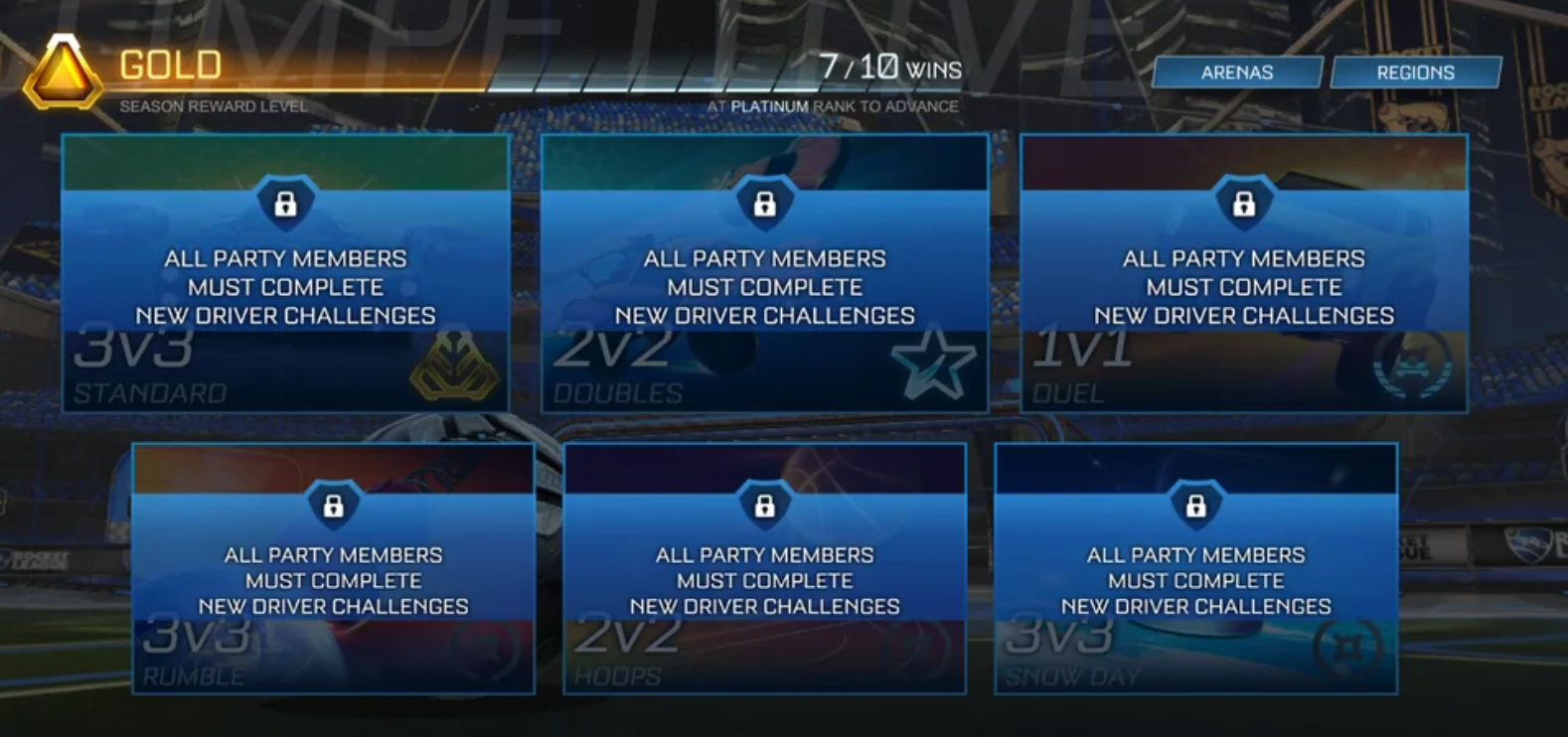
A major highlight of my time, however, is the launch of the revamped New Driver Challenges!
This was an initiative borne of our desire to adjust player expectations for the future of Rocket League, and uncouple access to Ranked playlists from the acquisition of level XP, which had many modifiers and bonus sources (like double XP weekends, rate bonuses via the Rocket Pass, and immediate rewards via Limited Time Challenges) that “uncompetitive” players could take advantage of to boost burner accounts.
Moreover, Season 20 was going to launch with massively increased XP gains, which would accelerate this problem even further. We accomplished the change via an analysis of the number of matches and wins that it took for the average player to reach level 20, and reduced that value significantly, so new players would see a reduction in their time-to-ranked, but players taking advantage of XP boosters would have consistent barriers that we could adjust in real time via several different levers if additional problems occurred.
Once players have completed all four stages (a process that takes around 40 total matches), they’ll be able to access Ranked Playlists, and Rocket League will also have a pretty solid idea of how skilled they are at playing.
Read more about this cool feature that I designed here.
Re-Fueled and other Designs
In 2026, Rocket League Season 23 launched 3 features I am very proud to have developed as the primary designer: the Re-Fueled experience, Demo Spawn Select, and the Luxury Collections.
Rocket League: Re-Fueled was an initiative to entice lapsed players and celebrate their return to the fold via XP boosts and access to rewards they had “missed” by not participating in previous seasons. We selected a cohort that had not played in the previous 2 seasons, filled the challenge slate with the juiciest rewards from prior events, and doled out generous amounts of XP in addition to the rewards they would be receiving if they had been consistently active players for the prior seasons.
The design was rewarded with excellent player participation metrics on our Year-over-Year reports, and as of August, we significantly outpaced last year’s numbers.
Demo Spawn Select is a fairly straightforward design: remove one of the last bits of pure randomness to Rocket League’s gameplay via a player-controlled UI system that would appear after the player’s car had been destroyed.
The UI took multiple iterations, but it launched in a state that we were all very proud of, and high-level players appreciate the ability to make tactical decisions when they are demolished mid-match.
Luxury Collections are something I’ve been pushing to get to players for quite some time. Many current players have not participated in Rocket League for the full decade that it has been around, and thousands of items formerly only available via the Rocket Pass have been locked away from player access, even by some players that purchased the pass at the time.
Once the various approvals to redistribute content were gained, we built a loot crate system based on the existing Drops rewards, but with the benefit of a “knockout” mechanic. Of the 20 items available in each collection, players would only ever receive an item they did not already own.
The feature has gained significant hype within the community, and we’ve received excellent feedback on the contents of the currently-released Collections that will inform the Product team’s selection of rewards for next time.

Well of Fortune & Secret of the Spores (New World)
I put a lot of time and energy into Amazon’s New World. Here’s some key highlights!
Feature Breakdown: Well of Fortune
The Well of Fortune capitalized on New World: Aeternum’s revamped Cutlass Keys zone.
Cutlass Keys shipped with a specific idea behind it: create a PvP zone for players to freely jump into whenever they were in the mood for some greater risk/reward gameplay. This came with some interesting design questions, and the team strived to answer all of them in player-friendly ways.
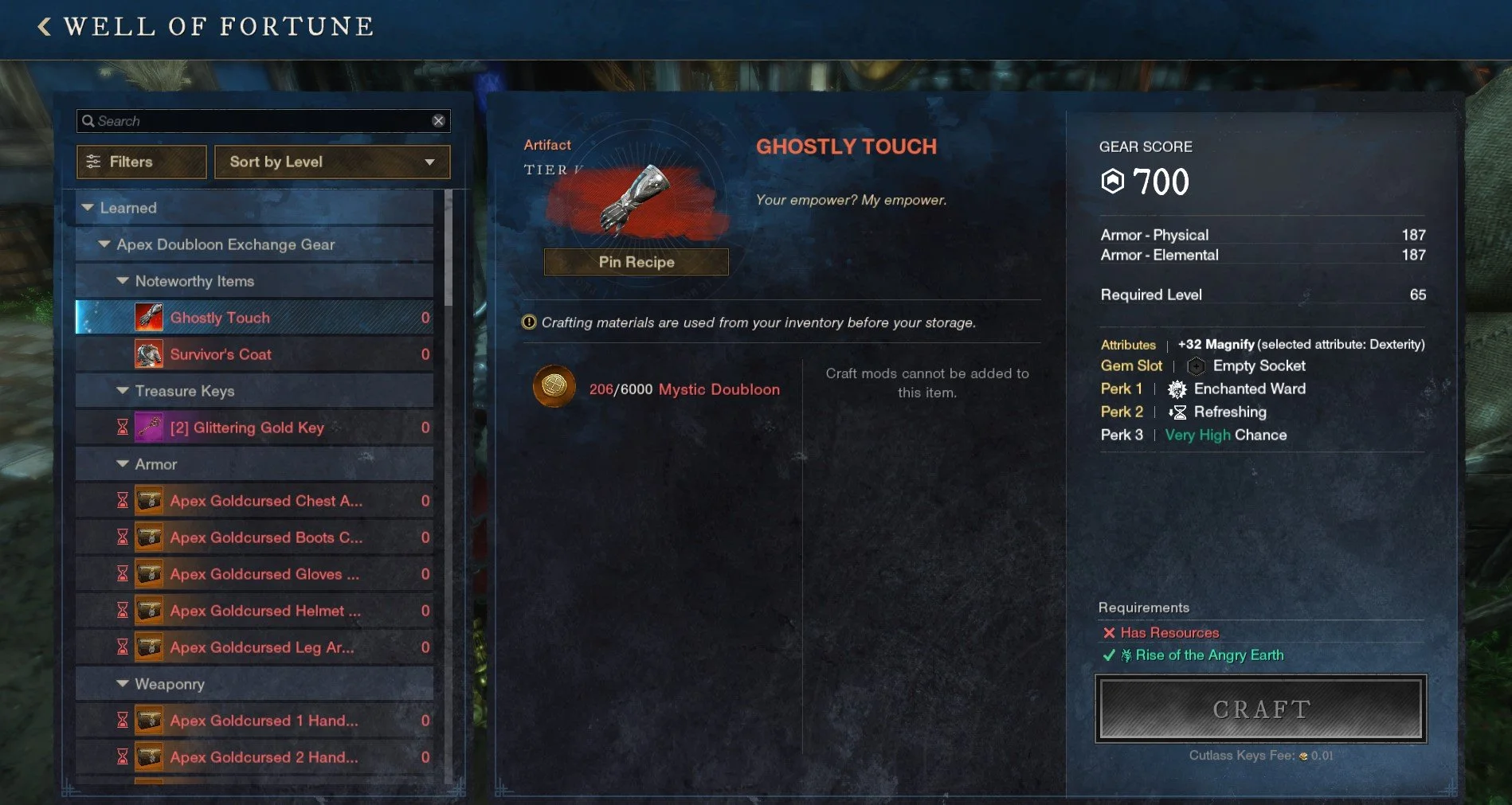
One design that I advocated for in particular is the streamlining of potential loot drops in the PvP zone down to a single currency: Doubloons. Inventory stress is fairly common in looter-type games like New World. In the much more dangerous Free-For-All PvP zone, where death meant losing hard-earned loot, an overencumbered player would become frustrated with the “normal” process of inspecting and dismantling gear, while under duress to keep a watchful eye for other players.
This design had the knock-on effect of quickly answering the question “how do we handle players losing infinite combinations of gear on a case-by-case basis?” In short, we wouldn’t need to. If no gear drops, then players can’t lose it, and the tech concerns become that much simpler.
As the design was built, I was the lead on the Doubloon Economy and rewards layer of the zone. My initial designs had the top-end items being very expensive to give players a long chase to build out their full gearset of max-level items. The Amazon team was concerned that players might turn to social exploitation (e.g. bringing in allies to deliberately feed doubloons to a single player) to gain more doubloons out of the PvP zone, which would contrast the only other content that offered max-level gear on a weekly lockout. A compromise was eventually reached: max-level items would be gated by a weekly component, and the prices would be brought down to facilitate players who didn’t have much time to endlessly grind, but who also didn’t have 9 other friends to do max-level PvE content.
The story beats on this feature were more “written in the margins” than many of the other systems I had developed up to this point. The basic premise of “there’s cursed gold out here, get rid of it in this here Well” was kind of the long and short of the feature’s narrative impact. Broadly speaking, players had quite a bit of visual storytelling with the general construction of the Well, the “Goldcursed” pirates in the PvP zone, and the piles and piles of gold in some of the deeper sections of the zone. I helped develop narrative hooks for later use, such as the description of the “Goldcursed Key” that was written to imply an unseen benefactor that the player could meet at a later time, but fundamentally, most things were merely hooks that narrative designers could latch onto as they desired.
Overall, I feel that the design was a success. We diligently tuned the inputs and outputs of the economy to give players enough in that if they wanted to endlessly grind, we had a few good sinks, and there were enough restrictions on the more volatile rewards that we didn’t risk the broader trading economy of the rest of the game.
Community-sourced Feature Breakdown: https://www.youtube.com/watch?v=9XnyNld_Am0
Feature Breakdown: Secret of the Spores
As part of the Rise of the Angry Earth expansion, Lost Boys Interactive was tasked with revamping the old “First Light” zone into the new “Elysian Wilds” zone. As we built the zone revamp pitch, I noticed that we didn’t have a crafting feature that would bring an equivalence from the previous expansion (Brimstone Sands), so I took it upon myself to build one, resulting in Secret of the Spores. The initiative was met with praise from the Amazon team, as they had already been hoping to make the end-game zones feel a little more distinct through different investment and gameplay features.

After many brainstorming and iteration sessions, we settled on the final product: players would be gifted a reusable “bottle” that they would be able to fill with “juice” crafted from spore plants spread across the zone. The resulting potion, when consumed, would give the player either offensive or defensive buffs to make both combat and the loot/crafting experience more rewarding while they explored the revamped area.
I was responsible for all non-art aspects of the feature. I created the plant that would be placed in the world by the level design team (and gave feedback as needed for adjustments), I developed the buff/perk system and its technical functions, and I developed the gathering and loot economies for all the new materials and added rewards.
The last bit of design work was overseeing the functionality of the intro quest, as well as the narrative justification for the spores in the first place. This required working closely with the quest and narrative design teams, while also explaining the technical design of the spore pods and their arrangement in the zone.
This feature started as somewhat ambitious, but if it had one flaw, it was that it attempted to please a few too many interested parties. It had to connect to all the open world features in the zone, hence the intricate ingredient requirements. It had to make the higher tradeskill ceilings “worth it” for the price, so the initial design had the crafting skill requirements be astronomical (this was thankfully tuned down). It had to match zone progression, so there were several types of collectible spores and a matching number of “tiers” to upgrade the bottle and its juice. The initial design incorporated some risk: the plants that players would harvest their “spores” from was originally the source of a dangerous but not lethal debuff, a system that was received well by community pre-testers. This was removed in favor of a “positives only” experience at the request of leadership, with no time to iterate on the potion buffs and potentially tune them down to compensate.
Overall, I am still proud of the feature, especially its economy. The “defense” potion granted much more resource per harvest event, meaning that the crafters in the audience had room to sell “juice” to others, and the “offense” potion had its own unique loot pool for dedicated players to chase useful gear.
Community-sourced Feature Breakdown: https://www.youtube.com/watch?v=0TpSTmmuFb4

Elias Final Encounter (Diablo 4)
I had a short, but impactful contribution to Diablo 4.
As part of my time at Blizzard Entertainment, I worked in several fields of design to better understand different disciplines. I worked on level design, world design, and encounter design. While I had a hand in crafting the Whispers of the Dead experience, which functioned as a post-game bounty system for players looking to build their characters, I was most proud of the Elias Final Fight boss, which leveraged all my knowledge building encounters, and also actually shipped with the game.
While I was an experienced systems designer at this point, I had little experience in encounters, and learned all I could from my peers. I worked heavily with the animation team to learn timing of attacks, I built many scripts to effectively control creature behavior, and I learned pacing of encounters through a process of feedback and iteration.
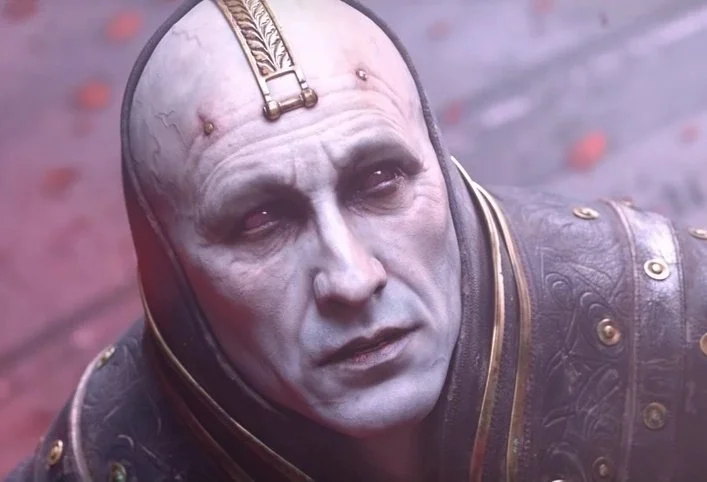
Elias’ first fight with the player had already been completed, so I took the opportunity to learn from the designer of that encounter. Elias is a summoner boss; in the first encounter with him, he summons cultists for defense and low-level demons to attack, and he previously gained narrative protection from an immortality spell.
The changes I made for the final fight were centered around the player’s story progression up until that point. Elias no longer has access to his protection spell and has been pushed into a corner. Under that premise, I felt that he would expend much more energy to attack the player and become something of a glass cannon as a result.
I started by adding a very powerful AoE that would become harder to escape as the fight went on. This attack had an animation that would cause Elias to appear drained and tired when completed. The defensive cultists were removed and replaced with escalating demon summons; first low-level, then much tougher demon enemies would be summoned at specific intervals during the fight.
The final adjustment was his default attack. I found a way to scale his 3-projectile attack to upwards of 60 projectiles in a stream. While this was absurd to start off with, I built the LUA script to increase the projectile count as he took more and more damage. At the end, I believe he shoots off up to 20 projectiles in a stream, requiring the player to move around quite a bit to avoid all the hazards, between the demons, projectiles, and AoE.
I’m proud of my work here, as encounter design was still fairly new to me, but I felt that I did a good job with great support and feedback.
Fight Showcase: https://www.youtube.com/watch?v=YkfyujTV9JU

Challenges (Tony Hawk’s Pro Skater 1+2)
Tony Hawk’s Pro Skater 1+2 was a development experience that I continue to treasure.
This feature for the remaster of the first two Tony Hawk games was conceived by the team as something that would help build a bridge between the early games’ simplistic approaches to long-term player investment (i.e.: just play the whole game over again on a different character) and the new audiences that we wanted to attract to the game who might have been more used to progressions found in Fortnite and other live service games.
As the feature owner, I was tasked with designing and building the challenge system tool and its associated menu, with the direct support of the lead engineer and the UI art team. It began with paper designs and pitching concepts (like the player profile and tracker widgets present on the main menu) before turning to some proofs of concept to fill out the roster. Many of the early challenges were synonymous with progressions that would fit with the profile’s stat tracker: high scores for each map, each skater, and all-time, largest combo for each map, each skater, and all-time, and trick counts (flips, grabs, and grinds).
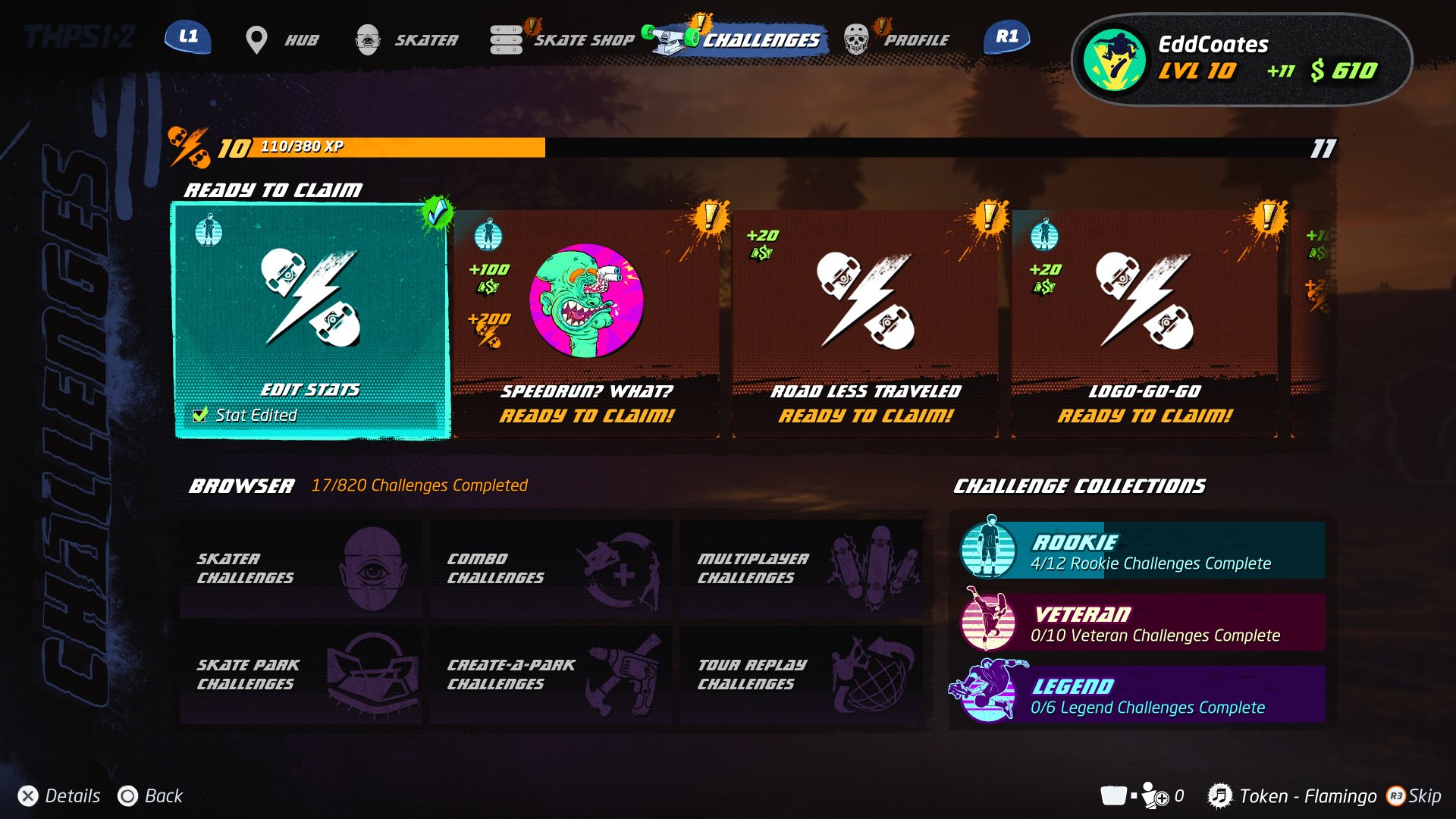
I built the feature through an iteration feedback loop. I would develop an idea, implement and test its technical feasibility, then share it with the systems team or more broadly for feedback, then make adjustments and take in additional ideas for further iteration. The tool eventually became so modular that it was used in several other areas of the game: shop unlocks based on player level progression, achievements, and even most of the secret content was routed through the challenge system.
A noteworthy aspect of the iteration process is the development of the menu’s overall flow. The individual “tiles” of the menu had to be interactable for tracking, rewards claim, and gaining further details. The button assignments and logic for that system went through several iterations based on a balance of the needs for feature utility, the broader UX flows of the game, and what would “feel good” for players. Tracking existed so that players could self direct. “Rewards claim” existed because it “felt good” when a player was able to claim their rewards in rapid succession at one location. All of these aspects had to be balanced in a way that felt intuitive to players.
The construction of both the system and its menu taught me so much about code etiquette, technical communications, and Unreal Engine’s Blueprints scripting interface, as well as UX design principles of which I was in entirely new territory at the time.
Community-sourced Feature Breakdown: https://www.youtube.com/watch?v=2aN3vh6XO84

Sleeper Nodes (Destiny 2: Warmind)
Destiny 2: Where it all began.
Destiny 2: Warmind was the first game industry product I ever worked on. It and the other Destiny releases I helped develop taught me an incredible amount about game design and understanding the technical aspects of game development.
Sleeper Nodes was built from a specific desire of our Principle Designer for Warmind: The destination should have a large number of hidden caches that players have to complete puzzles to access. The direct inspiration was The Legend of Zelda: Breath of the Wild’s “Korok Seeds” feature, where players would find simple gameplay components and configure them to solve the puzzle and earn a Seed. This concept went through several iterations, in part because I started off with something exceptionally complex that was not well supported by the game’s UI system.
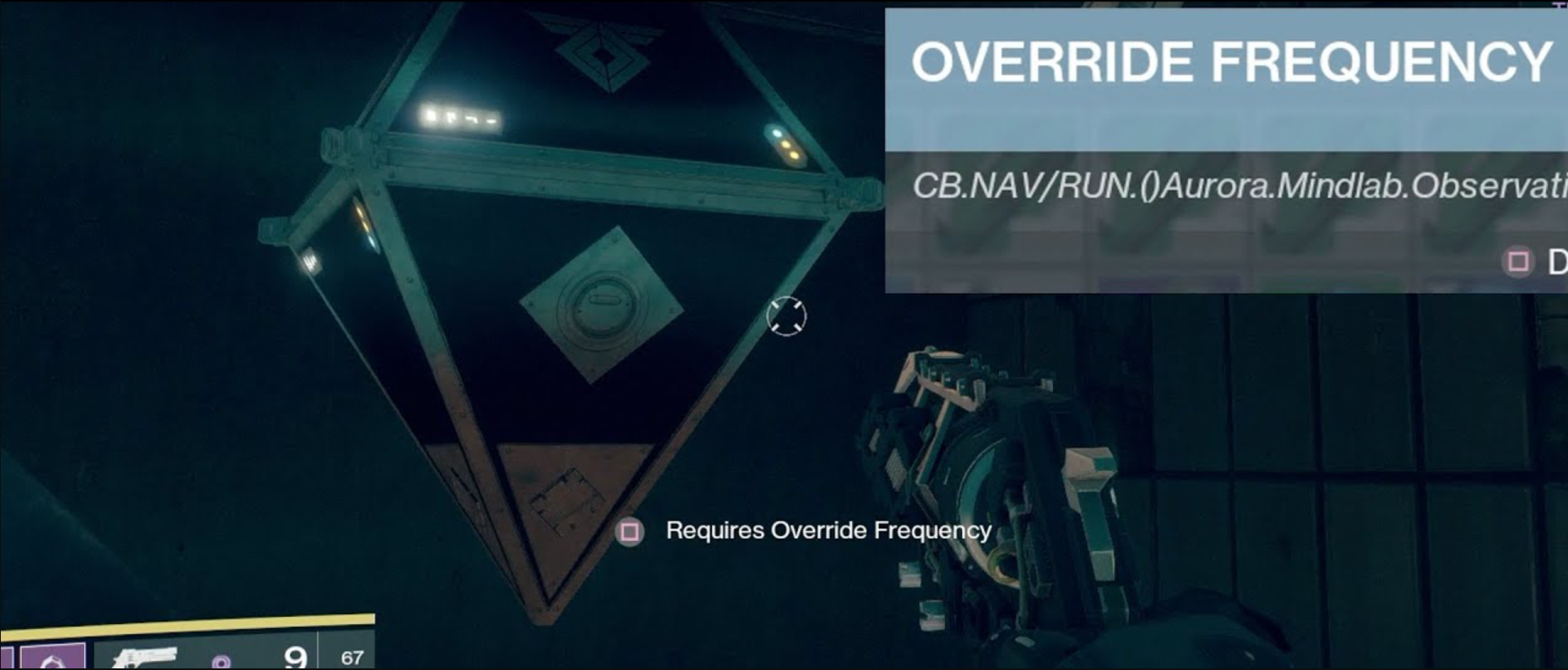
The system that shipped took more inspiration from my time playing the larger game. Part of the as-yet-unreleased Destiny 2 base game involved a mission that was intended to foreshadow the Warmind DLC, and the diamond-shaped game objects (pictured to the right) present in that mission inspired me to build a more freeform and less encounter-driven experience.
In Warmind, players could build “keys” out of components collected from world activities, the key would be randomly generated but tied to a specific Node given via 3 words of increasing location specificity, and players would receive pieces of loot as a reward.
Once the basic gameplay loop was constructed, I iterated on (among other things) the process for acquiring key components and the overall behavior of the Nodes. Key components came from activities, because having them come from kills felt too random and the items themselves tended to be unmanageable if they didn’t appear directly in the player’s inventory. Interacting with the Nodes was a basic “hot/cold” game with contingencies for players possessing the wrong key or not having one at all.
The rewards pool was fairly small, but I still learned quite a bit about Bungie’s philosophies on the cadence of rewards. The Nodes had a 1-per-day chance at granting a higher-tier reward for players to pick up from the destination vendor. This reward was governed by a limiting system to prevent severely unlucky players from never recieving an otherwise low drop-rate in a rhythm-free cadence.
The final component to this system was the quest built in to introduce it and maintain a weekly cadence of engagement. The narrative team and I worked together to build an understandable expectation on how the system functioned in world. As one of the team’s “lore consultants” in the early days of development on Destiny 2, I could point to valid narrative hooks for the weekly quests to latch onto while we built each step.
I am still very proud of this system, and was happy to see it return in Destiny 2: Season of the Seraph years later. It felt like a mark of respect from the designers at Bungie that the core loop was broadly unchanged from my original specifications.
Community-sourced Feature Breakdown: https://www.youtube.com/watch?v=IxbB1Ak6Hc8